
Marketing activity can look busy without making it clear what is working. A useful agency relationship starts by connecting the work to a business goal: reaching a more relevant audience, improving the path from discovery to inquiry, or making better use of an existing marketing budget. Kris Chislett provides marketing services for businesses in Pensacola, FL, with a collaborative approach to planning and execution. The right scope depends on your audience, current channels, internal capacity, and what you need to learn or improve.
What should you expect from this kind of engagement? Depending on the agreed plan, the work may involve search visibility, paid advertising, campaign planning, analytics, or supporting website and conversion improvements. These are distinct activities, not a promise that every channel is right for every business. The first conversation is a chance to explain your priorities, understand what is already in place, and identify a practical next step before deciding on a broader scope.
A marketing agency should also make measurement understandable. Search impressions, ad clicks, and website visits can show what people did online, but they do not by themselves prove that marketing generated qualified inquiries or sales. We can define relevant measures around the work being considered and be clear about what the available tracking can and cannot show. That gives you a better basis for evaluating progress than a large report full of activity metrics without business context. A marketing agency in Pensacola, FL can connect campaigns to clear business goals, helping you see which efforts reach the right audience and improve results. Look for a partner that reports on meaningful outcomes, not just activity.
How does the work move from an initial discussion to an active plan? It begins with context: your business goals, customer types, existing marketing, available assets, and concerns about what has or has not worked. You can share the information relevant to the proposed work, such as access to current analytics or advertising accounts, while keeping control of your own business decisions. The specific information needed depends on the service being considered.
Once the needs are clearer, the next milestone is agreeing on scope. That means identifying the work to be done, the channels involved, responsibilities on both sides, and how progress will be reviewed. A focused plan may be more appropriate than trying to activate every marketing channel at once. Timing and cost depend on the agreed deliverables, access requirements, and complexity; they should be discussed before work begins rather than assumed from a general service description.
During delivery, work follows the agreed priorities, with communication around decisions, dependencies, and review points. Your input may be needed for approvals, business details, creative materials, or access to platforms. After launch or implementation, measurement should be interpreted in context: tracking setup, conversion definitions, attribution limits, and the time available can all affect what the data says. The purpose of review is to decide what to retain, adjust, or investigate next, not to promise a particular outcome.
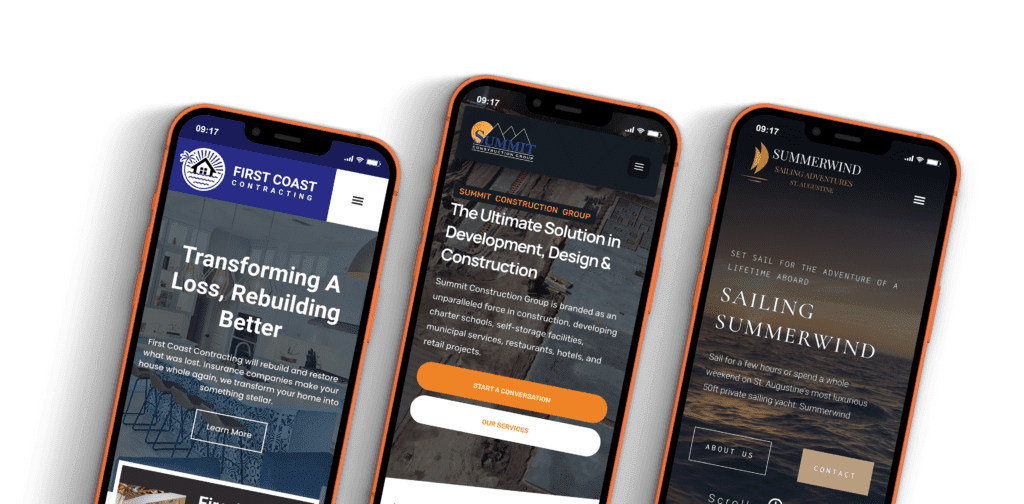
What evidence can help you assess a marketing provider before committing? Kris Chislett was founded in 2010 and holds Google Partner and Meta Business Partner credentials, along with HubSpot Certified and SEMrush Certified qualifications. These credentials indicate platform-related training or partnership status; they are not a guarantee of campaign performance, sales, or a particular return. They can be part of your evaluation alongside the proposed scope, communication style, and how clearly the work will be measured.
The working approach is collaborative: plans are shaped with clients rather than treated as a substitute for their knowledge of the business. That matters when choosing audiences, clarifying the offer, approving messaging, or deciding what counts as a meaningful inquiry. Before work proceeds, discuss who will provide materials and approvals, which accounts or tools are involved, and how updates will be shared. Those practical details help prevent mismatched expectations and keep the work tied to your actual priorities.
Data handling also deserves a direct conversation. Kris Chislett states that client and customer information is handled confidentially and used solely to deliver agreed marketing services. The business identifies GDPR, CCPA, and CAN-SPAM among its compliance frameworks. Ask how those commitments apply to the specific tools, data, and campaign activities in your proposed scope; requirements can vary by activity and business context, and this page is not legal advice.
Does a marketing provider need to be physically nearby to support your business? The services described here are delivered digitally, so the useful service-area question is whether communication, access, and collaboration fit your needs in Pensacola, FL. No local office, in-person team, or completed Pensacola project is claimed here. Discuss any preference for live meetings, working hours, or coordination with your staff before agreeing to a scope.
Local relevance still matters in the marketing itself. Your service area, customer intent, and the way people search for your offer can shape audience choices, website content, and campaign settings. Those decisions should be based on your business information and the work being planned, not assumptions about Pensacola’s market. If your customers come from beyond the city, explain that reach as well so the plan reflects your actual service radius rather than an arbitrary location boundary.
For the first contact, share what your business does, what prompted the inquiry, and which marketing activity you are considering. A clear starting point helps determine whether the requested work fits the available services and what information would be useful next. There is no need to prepare a complete strategy before reaching out; a concise description of the problem and your current setup is enough to begin the discussion.
Ask for the proposed channels, specific tasks, reporting approach, and responsibilities on both sides. Confirm whether work involves strategy, campaign setup, ongoing management, analytics, or website-related support, since the scope depends on your needs. Also ask what is excluded and what access or approvals you will need to provide.
Start with a defined business goal and agree on how the work will be evaluated before committing to a scope. Clicks and impressions are not proof of qualified inquiries or sales, and tracking limitations can affect interpretation. Ask how proposed measures connect to your goal and avoid treating guaranteed rankings, revenue, or lead volumes as reliable promises.
Kris Chislett states that client and customer information is handled confidentially and used solely to deliver agreed marketing services. Share only information relevant to the proposed work, and discuss any sensitive data or platform access before delivery begins. The business identifies GDPR, CCPA, and CAN-SPAM among its compliance frameworks.
Availability is Monday to Friday, with flexible scheduling for ongoing clients. Responses typically arrive within a few hours during business days. Discuss your preferred communication and scheduling needs when you make contact, since arrangements depend on the engagement.
Every business should have a strong online presence. If you don’t, you’re leaving money on the table and sabotaging your own success. That’s where we come in. Let us help. In the ever-changing digital landscape, our coordinated marketing solutions help businesses navigate through the chaos, position themselves for success, and emerge as industry leaders.