
Before investing in Pay per Click Boynton Beach FL, check three things: can you name the customer you want to reach, can you explain what you want them to do, and can you measure what happens after they click? Paid advertising can put a relevant offer in front of people actively browsing, but clicks alone do not show whether a campaign is helping the business. Kris Chislett works with businesses to connect campaign choices to practical goals, such as qualified inquiries, product consideration, or a clearer path to purchase.
Would a paid campaign fit your business right now? It may be worth evaluating if your offer is clear, you can respond to incoming inquiries, and you have a landing page or product page that supports the next step. Small and medium-sized businesses, professional services, ecommerce brands, and service-based companies are among the customer types this work can serve. If the offer, page, or follow-up process needs attention first, that should be part of the decision rather than hidden behind an ad budget.
What does the service involve? Pay per Click management can cover campaign planning, audience or search targeting, ad development, landing-page alignment, tracking considerations, and ongoing review. The exact scope depends on the platforms, account setup, goals, and information available. Advertising spend is separate from management work, and no campaign can guarantee rankings, sales, or a particular volume of leads. The useful starting point is a conversation about what you sell, who you need to reach, and how you currently judge a qualified result. Before investing in pay per click boynton beach fl, identify your ideal customer, define the action you want them to take, and decide how you’ll measure results. These steps help you build a campaign that targets the right audience and tracks meaningful outcomes.
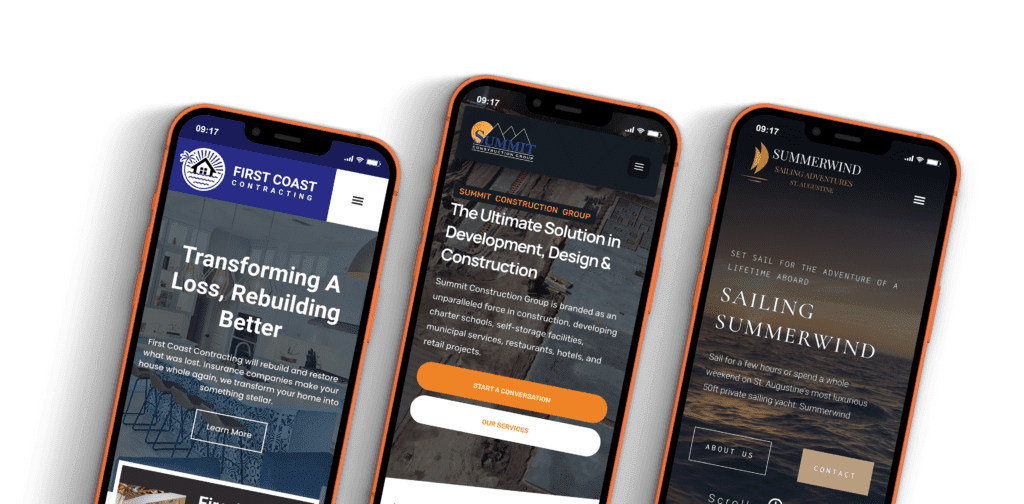
Creating an industry-leading website is about much more than “making it look pretty.” Before we start any website build, we always take a look at what your competitors are doing, establish your audience, and define your goals. This makes sure we deliver a site that not only speaks directly to your customer but makes you the obvious choice over the competition.
We’re on a mission to craft dynamic web solutions that blaze a clear trail, guiding your audience straight to your call to action. It’s all tailored just for you – captivating content, sleek design, and applications like custom databases or customer web portals. Throughout this dynamic journey, you’ll be at the forefront, ensuring we align with your business goals.
A great website is never finished, and we make sure we always build in a way that allows you to update your own content (with free training provided.) But you don’t have to do this alone! Our team of experts will help you get the most out of your online presence and make ourselves available to discuss further marketing efforts.
Are ads bringing visits but not useful inquiries or purchases? A mismatch between the search or audience, the ad promise, and the landing page can make paid traffic difficult to convert. The same problem appears when a business counts clicks or impressions as success without checking what visitors do afterward. Reviewing those connections can help identify where the customer journey loses clarity, although reporting data alone cannot explain every business outcome.
What usually prompts a review? A campaign may be spending without a clear account of which audiences or terms are being reached, or the business may be preparing a new offer and need to decide whether paid promotion makes sense. Sometimes the concern is simply that lead quality is uncertain. In each case, the first task is to understand the goal, existing setup, available tracking, and follow-up process before recommending changes. That keeps the plan grounded in the business problem instead of assuming more spend is the answer.
Could paid advertising be the wrong next move? Yes. If the offer is not ready, the landing page is confusing, or the business cannot handle incoming demand, improving those foundations may be more useful than launching or expanding ads. A smaller, carefully defined campaign may also be more appropriate than broad targeting when the budget or measurement is limited. These are tradeoffs to discuss openly; campaign activity is not proof of revenue, and attribution can be incomplete when customers interact through multiple channels or devices.
What happens first? The work begins with a discussion of the business, target customers, offer, and desired action. Existing campaign information, if available, can help establish what has been tried and what is measurable. The scope and timing depend on the account, platforms, landing-page readiness, and how quickly required information and access are provided. There is no universal launch schedule, so expectations should be agreed after the initial review rather than promised before the details are known.
Once the direction is clear, campaign structure and targeting can be planned alongside the ad message and the page visitors will reach. Tracking needs should be considered before launch so the business can distinguish activity from useful actions as far as its setup allows. Account access, brand details, offer information, and timely feedback may be needed from the client. If a landing page or measurement setup needs work, that can affect scope and sequence; it should be surfaced before launch, not treated as an automatic part of every engagement.
After launch, review focuses on what the available data can reasonably show: delivery, clicks, tracked actions, and patterns that may inform adjustments. A click is not automatically a qualified prospect, and a tracked conversion may not capture every offline conversation or later purchase. Ongoing clients can arrange flexible scheduling, while availability for new work is Monday to Friday. The review cadence and responsibilities should be discussed according to the campaign and the client’s needs.
What evidence can help you assess a provider? Kris Chislett was founded in 2010 and holds Google Partner, Meta Business Partner, HubSpot Certified, and SEMrush Certified credentials. These qualifications are relevant context for evaluating marketing experience and platform familiarity, but they are not a promise of campaign performance. A sound decision should also consider whether the proposed scope, communication, measurement plan, and business goals make sense for your situation.
How is sensitive business information handled? Client and customer data, communications, and business information are treated confidentially and used solely to deliver agreed marketing work. The stated compliance standards are GDPR, CCPA, and CAN-SPAM. The right requirements depend on the data, tools, audience, and campaign; a service provider’s credentials do not replace your own legal or compliance advice. Discuss what information the work requires and how it will be used before sharing access or customer data.
Does this work involve insurance coordination? No. The services are delivered digitally and do not require insurance involvement. The practical limits are straightforward: campaign outcomes cannot be guaranteed, advertising spend is distinct from service fees, and results depend on factors including the offer, targeting, page experience, competition, and measurement quality. The aim is to make decisions more informed through collaboration and review, not to present uncertain outcomes as assured.
The management fee and advertising budget are separate costs. The service fee depends on platforms, campaign complexity, account condition, and any related landing-page or tracking work, so discuss your scope to get relevant pricing.
Compare the proposed scope, targeting rationale, landing-page alignment, measurement plan, communication, and how clearly limitations are explained. Kris Chislett’s listed credentials include Google Partner, Meta Business Partner, HubSpot Certified, and SEMrush Certified, but credentials do not guarantee campaign outcomes.
Timing depends on campaign scope, account access, approvals, landing-page readiness, and tracking requirements. Those details can be reviewed before setting a practical schedule; no standard launch timeline is promised.
Prepare a short description of your offer, intended customers, desired action, and any current campaign concerns. You can also ask about scope, cost factors, measurement, and availability before deciding whether to proceed.
Client and customer information, communications, and business details are handled confidentially and used solely to deliver agreed marketing work. Share only information needed for the discussion or service, and ask how any requested account access or data will be used.
Every business should have a strong online presence. If you don’t, you’re leaving money on the table and sabotaging your own success. That’s where we come in. Let us help. In the ever-changing digital landscape, our coordinated marketing solutions help businesses navigate through the chaos, position themselves for success, and emerge as industry leaders.