
A paid ad can attract attention without producing a useful inquiry or sale. PPC Fort Pierce FL should start with a clearer question: which searches, audiences, and offers are worth paying to reach, and what action should a visitor take next? Kris Chislett helps businesses plan and manage pay-per-click advertising with that decision in view. The work can suit small and medium-sized businesses, professional services, ecommerce brands, and service-based companies that need a measurable way to reach potential customers.
PPC places ads in front of people based on factors such as search terms, audience settings, and campaign objectives. The service may involve campaign planning, account setup or review, ad and audience refinement, landing-page recommendations, and conversion tracking, depending on the agreed work. Paid media can support visibility while a business tests messaging or reaches people actively considering an offer, but it does not guarantee sales, lead volume, or a particular return.
PPC is most useful when the business can describe the offer, the intended customer, and what counts as a valuable action. A consultation request, qualified phone call, online purchase, or another defined conversion may be appropriate, depending on the business model. If those basics are unclear, the first step is to identify what needs to be measured before increasing ad spend. That keeps campaign decisions tied to business priorities rather than treating clicks or impressions as proof of growth. PPC Fort Pierce FL campaigns work best when they target high-intent searches, relevant audiences, and offers that lead to meaningful inquiries or sales. Tracking conversions helps identify which ads deserve more budget and which need refinement.
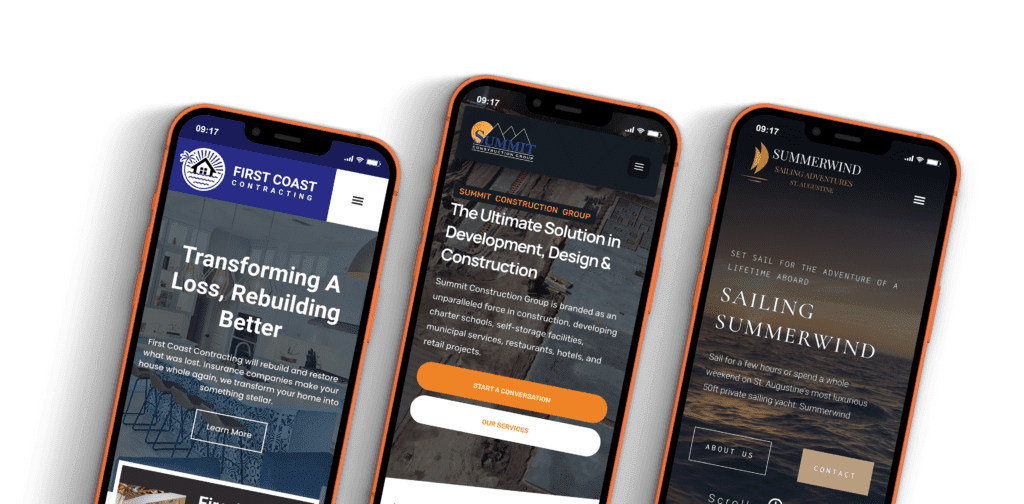
Creating an industry-leading website is about much more than “making it look pretty.” Before we start any website build, we always take a look at what your competitors are doing, establish your audience, and define your goals. This makes sure we deliver a site that not only speaks directly to your customer but makes you the obvious choice over the competition.
We’re on a mission to craft dynamic web solutions that blaze a clear trail, guiding your audience straight to your call to action. It’s all tailored just for you – captivating content, sleek design, and applications like custom databases or customer web portals. Throughout this dynamic journey, you’ll be at the forefront, ensuring we align with your business goals.
A great website is never finished, and we make sure we always build in a way that allows you to update your own content (with free training provided.) But you don’t have to do this alone! Our team of experts will help you get the most out of your online presence and make ourselves available to discuss further marketing efforts.
A campaign can spend its budget and still leave the owner unsure what happened. Common trouble spots include broad targeting, ad copy that does not match the offer, a landing page with no clear next step, or tracking that records visits but misses meaningful actions. In those situations, more clicks may simply mean more cost without better evidence about customer interest.
A review can help when inquiries are irrelevant, online sales are hard to attribute, costs have changed, or a business is preparing to promote a new service. The right response depends on the account and the business goal; sometimes the issue is the campaign, and sometimes the offer, page, or conversion definition needs attention. Before recommending changes, it is important to understand the audience, service area, budget constraints, and what the business can realistically handle when leads arrive.
Paid search is not automatically the right fit for every need. It requires an advertising budget separate from management work, and results can vary with competition, offer relevance, website experience, and tracking quality. Businesses without a clear destination for ad traffic may need to address that first. A practical plan weighs these tradeoffs and defines what evidence would justify continuing, adjusting, or pausing a campaign.
A useful campaign plan makes the next decision easier, not more mysterious. The work generally follows these steps, with exact deliverables and timing shaped by the account, platforms, and agreed scope:
1. Clarify the goal, target customer, offer, service area, budget, and capacity to respond.
2. Review existing campaigns or plan the appropriate account structure, targeting, ads, and landing-page path.
3. Confirm what conversion actions can be tracked and identify any measurement limitations before launch or changes.
4. Monitor available campaign data, assess lead or purchase quality with the business, and recommend adjustments.
The client’s input matters throughout. Useful starting materials may include access to advertising accounts, website or landing-page links, offer details, service boundaries, and examples of what makes an inquiry qualified. The business also needs to confirm that its website and contact process can handle the traffic it wants to attract. If conversion tracking depends on third-party tools or customer data, the setup and permitted use should be discussed before implementation.
There is no fixed launch or improvement timeline that applies to every account. Access, creative approvals, landing-page readiness, tracking requirements, and the amount of historical data can affect the schedule. After launch, early activity is not conclusive evidence of business impact; campaign data needs context, and lead quality may require feedback from the people handling inquiries. Kris Chislett is typically available Monday to Friday, with flexible scheduling for ongoing clients.
Kris Chislett has been in business since 2010 and holds Google Partner, Meta Business Partner, HubSpot Certified, and SEMrush Certified credentials. These qualifications provide relevant platform and marketing context; they are not a promise of campaign performance. The working approach is collaborative: clarify the business objective, agree on what should be measured, and use available evidence to decide what to test or change.
For example, a professional service provider in Fort Pierce might want more consultation requests but find that ad reports show clicks without revealing which inquiries are suitable. An illustrative review could examine search targeting, the ad-to-page message match, the inquiry form, and whether completed forms are tracked. The business would then share which inquiries fit its criteria so campaign decisions can consider lead quality, not just form counts. This is an example of how the work may be evaluated, not a claim about a completed client project or result.
Reporting should distinguish observed platform activity from verified business outcomes. Clicks, impressions, and recorded conversions can help diagnose a campaign, but they do not independently establish revenue or profitability. Tracking can also be affected by consent choices, browser settings, platform attribution methods, and the accuracy of the underlying setup. Those limitations should be considered when interpreting results and choosing the next action.
Yes, campaign location settings can be planned around the areas your business can serve. The targeting should reflect your actual service boundaries, customer priorities, and ability to respond, rather than an assumed radius.
Cost depends on the agreed management scope, account condition, platforms, tracking needs, and level of ongoing support. Advertising spend is separate, and pricing can be discussed after those requirements are understood.
Timing varies with account access, approvals, landing-page readiness, and tracking requirements. Ongoing assessment also takes time because early clicks or conversions may not provide enough evidence about lead quality or business impact.
Avoid choosing a provider based only on promised results, treating clicks as proof of growth, or starting without a clear conversion goal. Confirm who controls the advertising account, what work is included, how customer data is handled, and how lead quality will be assessed.
Every business should have a strong online presence. If you don’t, you’re leaving money on the table and sabotaging your own success. That’s where we come in. Let us help. In the ever-changing digital landscape, our coordinated marketing solutions help businesses navigate through the chaos, position themselves for success, and emerge as industry leaders.