
Before putting budget behind an ad, check three things: who you want to reach, what action you want them to take, and how you will tell whether it was worthwhile. PPC Pensacola FL support from Kris Chislett is built around those decisions, not clicks for their own sake. Paid search and social campaigns can help small and medium-sized businesses, professional services, ecommerce brands, and service-based companies reach people with a relevant offer. The right fit depends on your goals, audience, available budget, landing page, and ability to follow up with inquiries.
PPC means paying to place ads on platforms such as Google or Meta, with campaign settings shaped around audience, intent, location, and budget. The work can include campaign planning, account and ad setup, audience and keyword choices, landing-page recommendations, and measurement planning. The agreed scope depends on what is already in place; it does not automatically include website development, creative production, or sales follow-up. A useful first conversation identifies what you need and what should remain outside the engagement.
Pensacola FL is the target market for this service, but local delivery does not mean an assumed local office or in-person team. Campaigns can be planned remotely, with geographic settings selected to match your actual service area and customer eligibility. If your business serves only certain parts of the area, clarify that before launch so the campaign does not spend on audiences you cannot serve. PPC Pensacola FL support from Kris Ch can help you define your target audience, choose a clear conversion goal, and track results before investing in ads. This preparation makes it easier to measure performance and adjust your budget with confidence.
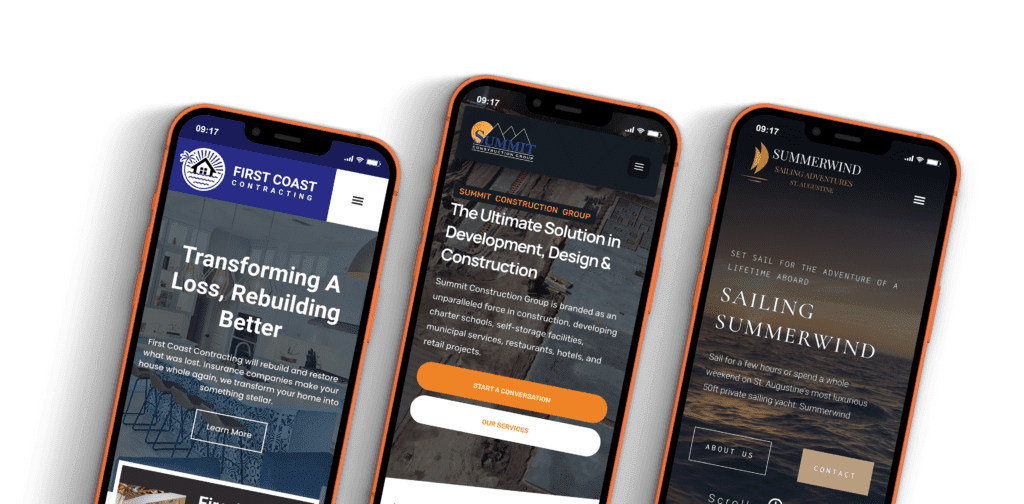
Creating an industry-leading website is about much more than “making it look pretty.” Before we start any website build, we always take a look at what your competitors are doing, establish your audience, and define your goals. This makes sure we deliver a site that not only speaks directly to your customer but makes you the obvious choice over the competition.
We’re on a mission to craft dynamic web solutions that blaze a clear trail, guiding your audience straight to your call to action. It’s all tailored just for you – captivating content, sleek design, and applications like custom databases or customer web portals. Throughout this dynamic journey, you’ll be at the forefront, ensuring we align with your business goals.
A great website is never finished, and we make sure we always build in a way that allows you to update your own content (with free training provided.) But you don’t have to do this alone! Our team of experts will help you get the most out of your online presence and make ourselves available to discuss further marketing efforts.
More impressions do not necessarily mean more useful business. A campaign may attract clicks from people outside your service area, send visitors to a page that does not answer their questions, or count low-value actions as conversions. The result can be activity without a clear view of which inquiries are relevant. For an ecommerce business, a click is not a completed purchase; for a service company, a form submission still needs qualification and follow-up.
A review is especially useful when campaign costs are difficult to explain, leads do not match your ideal customer, or tracking reports disagree with what your team sees. The first task is to separate the possible causes: audience and search intent, ad message, landing-page fit, conversion setup, or the handoff after an inquiry. PPC can help test and refine those parts, but it cannot guarantee demand, sales, or a particular cost per lead. Results also depend on factors such as offer, competition, budget, and the quality of the destination page.
Avoid treating every metric as a business outcome. Impressions and clicks show exposure and visits, not revenue or lead quality. A practical assessment connects platform reporting with available form, call, purchase, or customer records, while noting gaps such as incomplete tracking, delayed sales cycles, or offline conversions that are not recorded.
A sound campaign starts with decisions, not a rushed launch. First, clarify the business goal, target customer, geographic reach, budget parameters, and the action that matters. Then review the existing account, landing page, and measurement setup where access and materials are available. This establishes what can be used, what needs attention, and what should be excluded from the agreed scope.
At the planning milestone, campaign structure, platform, targeting, ad messaging, and destination are aligned to the goal. Before launch, confirm access, approvals, budget, working links, and conversion definitions. After campaigns are active, review available data and make adjustments based on evidence rather than assumptions. Timing depends on account readiness, approval cycles, creative or page requirements, and tracking needs; no launch date should be assumed before those details are understood.
The client’s role matters throughout. Provide accurate business information, access to relevant platforms, timely approval of ads and budgets, and a clear process for responding to leads or orders. If existing tracking is incomplete, discuss its limitations before using reports to judge performance. A campaign can be managed against agreed objectives, but media spend and business outcomes remain subject to platform delivery and customer behavior.
Kris Chislett was founded in 2010 and holds Google Partner, Meta Business Partner, HubSpot Certified, and SEMrush Certified credentials. These qualifications are relevant signals of platform and marketing training, not a promise of campaign performance. The working approach is collaborative: align the campaign with your offer and customer knowledge, make the scope clear, and use reporting to decide what to test or change.
For example, a professional service provider in Pensacola might receive plenty of form submissions but find that many are outside its service area or do not match its requirements. A useful PPC review would compare targeting and ad language with the landing page and the business’s lead records, then identify a testable adjustment. This is an illustrative situation, not a claim about a completed client project or a guaranteed result. The point is to judge campaign quality by the fit and follow-up of inquiries, not by click volume alone.
Measurement has limits, especially when tracking is incomplete or a purchase decision takes time. Reports can show platform activity and recorded conversions, while business records may be needed to assess qualified leads, sales, or repeat customers. Agreeing on definitions at the outset makes later reviews more useful and helps distinguish observed results from goals.
Compare the proposed scope, measurement approach, communication, and clarity about what is not included. Ask how the provider will assess lead quality or sales, what access you need to provide, and how reporting limitations will be explained. Credentials can inform your evaluation, but they do not guarantee campaign results.
Check whether targeting matches your service area, the ad promise matches the landing page, and conversion tracking records meaningful actions. Also confirm that someone can respond to inquiries promptly. Increasing spend before resolving these issues can make it harder to interpret results.
Yes, an existing campaign can be reviewed as a starting point, subject to access and an agreed scope. The review can examine targeting, ads, destination pages, and available tracking to identify questions or possible tests. Any changes depend on what the account data supports.
Messages are typically answered within a few hours during business days, Monday to Friday. Share your business goal, target customer, current campaign concerns, and any available performance information. Launch timing depends on account access, approvals, campaign requirements, and measurement readiness.
Client and customer information is handled confidentially and used solely to deliver agreed marketing services. Share only the access and data needed for the work, and discuss any specific privacy or compliance requirements before campaign activity begins.
Every business should have a strong online presence. If you don’t, you’re leaving money on the table and sabotaging your own success. That’s where we come in. Let us help. In the ever-changing digital landscape, our coordinated marketing solutions help businesses navigate through the chaos, position themselves for success, and emerge as industry leaders.