
Before booking a shoot, check three things: what the video needs to explain, where customers will see it, and what action you want them to take. Videography Safety Harbor FL businesses can use is most useful when those decisions guide the concept, filming plan, and final deliverables from the start. Kris Chislett works with small and medium-sized businesses, professional services, ecommerce brands, and service-based companies to shape video content around a defined business need.
A project might involve a company introduction, a service explanation, product footage, or short-form content for digital channels. Those are possible directions, not a fixed package or a claim about past projects. The right scope depends on your message, available footage needs, intended platforms, and whether you need help planning the content as well as filming it. A conversation about those details can clarify whether videography is the right fit.
For a business in Safety Harbor, FL, the useful starting point is not simply “we need a video.” It is identifying what customers currently struggle to understand and what a clear visual explanation could improve. That gives the project a practical purpose, helps keep production focused, and makes it easier to assess the finished work against the original brief. Before booking a shoot, clarify what the video should explain, where customers will see it, and what action you want them to take. Videography Safety Harbor FL businesses can use is most effective when each production is planned around these goals.
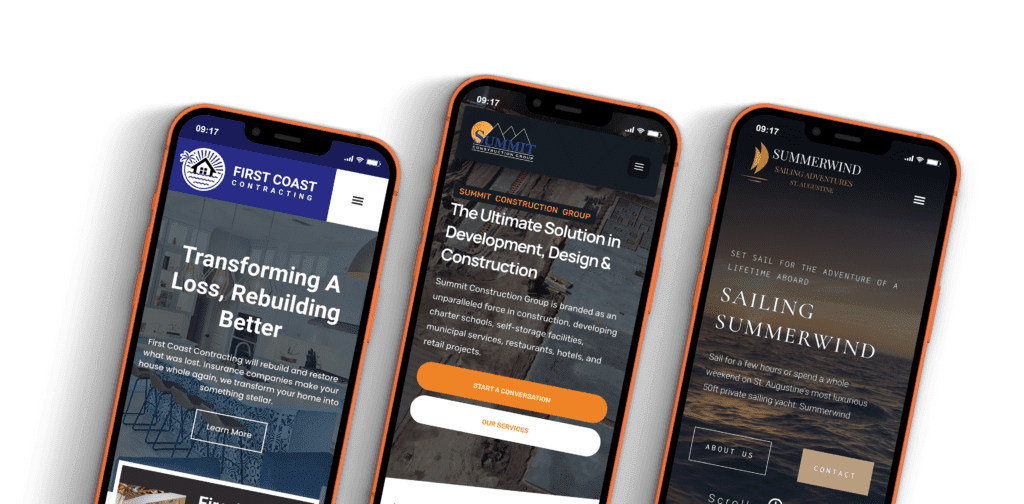
Creating an industry-leading website is about much more than “making it look pretty.” Before we start any website build, we always take a look at what your competitors are doing, establish your audience, and define your goals. This makes sure we deliver a site that not only speaks directly to your customer but makes you the obvious choice over the competition.
We’re on a mission to craft dynamic web solutions that blaze a clear trail, guiding your audience straight to your call to action. It’s all tailored just for you – captivating content, sleek design, and applications like custom databases or customer web portals. Throughout this dynamic journey, you’ll be at the forefront, ensuring we align with your business goals.
A great website is never finished, and we make sure we always build in a way that allows you to update your own content (with free training provided.) But you don’t have to do this alone! Our team of experts will help you get the most out of your online presence and make ourselves available to discuss further marketing efforts.
Are customers asking the same questions before they feel ready to contact you or buy? A well-planned video can show how a service works, introduce the people behind a business, or demonstrate product details that are difficult to convey in a few lines of text. Its value comes from making a specific point easier to understand, not from adding video to a page just because the format is popular.
A common concern is investing time in footage that does not match the audience, channel, or next step. That can happen when filming begins before the message and deliverables are agreed. A brief should establish the intended viewer, core message, desired action, format needs, and any essential details that must appear. If those decisions are still unsettled, planning them first can prevent avoidable revisions and mismatched expectations.
Video is not automatically the answer to every marketing problem. It requires time for coordination and production, and performance depends on factors beyond the footage, including placement, distribution, audience fit, and the clarity of the offer. Treat it as one communication asset within a broader customer journey, then assess whether viewers take meaningful actions rather than treating views alone as proof of business impact.
What happens after you get in touch? The first conversation establishes the goal, audience, intended platforms, filming requirements, and the kind of finished assets you need. It also surfaces practical considerations such as who will participate, what locations or products need to be shown, and whether you already have a script or reference material. These details shape a useful scope before production is scheduled.
Once the direction is clear, planning can define the content outline, filming arrangements, and agreed deliverables. The shoot itself follows that plan, with attention to the shots needed to communicate the message. After filming, editing and any agreed review or revision steps depend on the project scope. The schedule cannot be responsibly stated in advance without knowing the brief, production needs, and availability.
Your part matters, too. Sharing accurate business information, identifying the right decision-maker, arranging access to people or products, and giving consolidated feedback can help keep the work aligned. Before filming, confirm the intended platforms and any technical requirements you already know. Before delivery, review the work against the agreed purpose and flag factual corrections clearly.
How can you judge the working relationship before committing? Kris Chislett was founded in 2010 and describes its approach as collaborative: good ideas develop through working with clients and colleagues. For a video project, that means the brief should be shaped through discussion rather than treated as a one-size-fits-all production checklist. Clear decisions about purpose, scope, and review expectations help both sides understand what the finished work is meant to do.
The supplied credentials include Google Partner, Meta Business Partner, HubSpot Certified, and SEMrush Certified. These are marketing-related credentials; they should not be read as a guarantee of video outcomes, platform performance, or a particular production result. Similarly, no ranking, revenue, lead volume, or view count can be promised. If video is used in a campaign, clicks and impressions can describe exposure, but they do not by themselves establish qualified demand or business growth.
Client and customer information is handled confidentially and used for the agreed marketing purpose. GDPR, CCPA, and CAN-SPAM are listed as compliance standards in the business profile. These details do not replace project-specific legal advice or establish that every possible use of footage is covered. Discuss permissions, sensitive information, and intended distribution before production so the project boundaries are understood.
You can ask Kris Chislett about a project for your Safety Harbor business. Filming location, travel arrangements, access, and production requirements need to be discussed and confirmed; no local office or completed local project is claimed here.
The schedule depends on planning needs, filming arrangements, deliverables, and editing or review expectations. Kris Chislett typically responds within a few hours during business days, but that is not a production or delivery deadline.
Cost depends on the scope, filming requirements, and agreed deliverables. Share your intended use, location, and production needs to discuss a suitable scope; no fixed price is provided.
Confirm the intended platforms, formats, specific deliverables, and any review or revision steps in the agreed scope before filming. A common planning mistake is starting production without settling the message, audience, or how the finished video will be used.
Client and customer information is handled confidentially and used solely for the purpose of delivering agreed marketing. Identify sensitive information and any filming or sharing restrictions during planning so the project boundaries are clear.
Every business should have a strong online presence. If you don’t, you’re leaving money on the table and sabotaging your own success. That’s where we come in. Let us help. In the ever-changing digital landscape, our coordinated marketing solutions help businesses navigate through the chaos, position themselves for success, and emerge as industry leaders.