
A business video is useful when it makes a decision easier: a prospective customer can understand what you offer, see how a product works, or get a clearer sense of your service. Kris Chislett provides Videography Tallahassee FL businesses can consider when they need visual content with a defined purpose, rather than footage made simply to fill a feed.
The right scope depends on the message, audience, and intended use. A professional services firm may need a concise explanation of its approach, while an ecommerce brand may need product footage that supports a product page or campaign. Before discussing production, identify the viewer, the one idea they should remember, and where the finished video will appear.
Kris Chislett creates videos designed to make your value clear and help viewers decide what to do next.
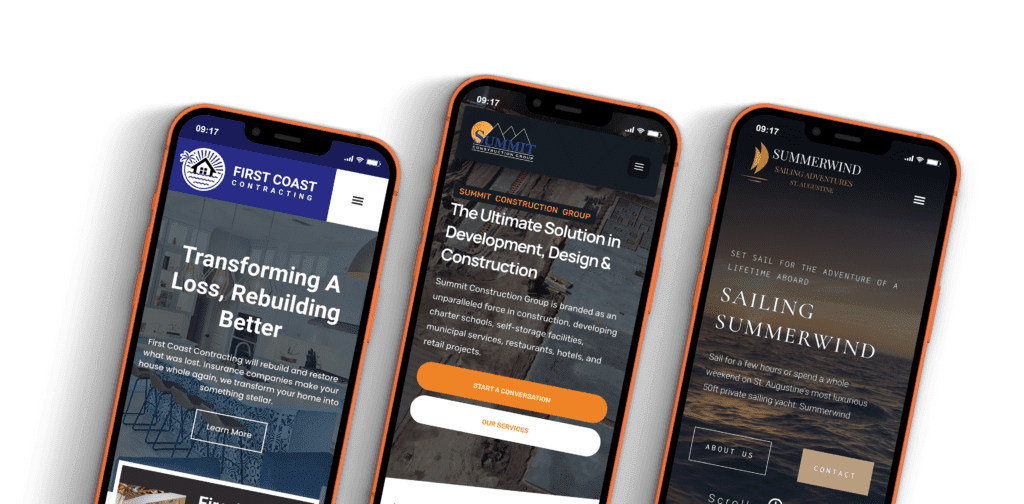
Creating an industry-leading website is about much more than “making it look pretty.” Before we start any website build, we always take a look at what your competitors are doing, establish your audience, and define your goals. This makes sure we deliver a site that not only speaks directly to your customer but makes you the obvious choice over the competition.
We’re on a mission to craft dynamic web solutions that blaze a clear trail, guiding your audience straight to your call to action. It’s all tailored just for you – captivating content, sleek design, and applications like custom databases or customer web portals. Throughout this dynamic journey, you’ll be at the forefront, ensuring we align with your business goals.
A great website is never finished, and we make sure we always build in a way that allows you to update your own content (with free training provided.) But you don’t have to do this alone! Our team of experts will help you get the most out of your online presence and make ourselves available to discuss further marketing efforts.
More footage does not automatically make a stronger business case. Without a clear audience and message, a video can be difficult to use across a website, product listing, or social channel, even when the visuals look polished. The practical risk is spending time on content that does not answer the viewer’s questions or support the next step you want them to take.
A launch, service update, new product, or need to explain a complex offer can prompt a video project. Start by listing the questions customers ask most often and the action you want viewers to consider. That brief helps determine whether a filmed interview, product demonstration, or another format is appropriate. It also makes it easier to identify what is outside the project scope before production begins.
A defined brief comes before a camera plan. The initial discussion should establish the video’s purpose, audience, key message, intended platforms, desired deliverables, and any practical constraints. You will need to provide accurate business information, access to relevant products or locations, and timely feedback on the message and review materials.
Planning then shapes the production approach, including what needs to be filmed and who or what must be available. Filming and post-production follow according to the agreed scope, with review and delivery expectations discussed as part of the project. Timing varies with the concept, scheduling, production requirements, and feedback; no fixed turnaround is assumed before those details are known.
After delivery, confirm that the video fits its intended placement and that any platform-specific requirements have been considered. Paid promotion or broader campaign strategy is separate from videography unless specifically agreed. If the video will support marketing activity, clarify how it will be used and what measurement is available; views and clicks alone do not establish business impact.
A useful proof point is a process you can inspect before committing: agree on the purpose, define deliverables, set review expectations, and keep decisions tied to the brief. Kris Chislett was founded in 2010, and the company describes its approach as collaborative, bringing clients into the work rather than treating creative decisions as a black box.
The listed credentials are Google Partner, Meta Business Partner, HubSpot Certified, and SEMrush Certified. These are marketing-related credentials, not a claim of a videography-specific license or a guarantee of video performance. Results depend on the content, audience, distribution, and measurement available, so the project should define useful indicators without promising rankings, views, leads, or revenue.
Pricing depends on the concept, filming needs, locations, deliverables, and editing scope. No standard rate is supplied, so share your project brief to discuss a suitable scope and project-specific cost.
Timing depends on the production scope, scheduling, and how quickly feedback is provided. Discuss target dates and dependencies during the initial conversation; a turnaround should not be assumed until the project details are agreed.
Revision terms and delivery formats should be confirmed in the project scope before work begins. Describe where you plan to use the video and what deliverables you need so expectations are clear.
Send a short description of your audience, message, intended platforms, location, and preferred timing. That information helps Kris Chislett discuss fit, production requirements, and a practical next step.
Kris Chislett states that client and customer information is handled confidentially and used solely to deliver agreed marketing services. GDPR, CCPA, and CAN-SPAM are listed compliance standards; discuss any project-specific data handling needs before sharing sensitive material.
Every business should have a strong online presence. If you don’t, you’re leaving money on the table and sabotaging your own success. That’s where we come in. Let us help. In the ever-changing digital landscape, our coordinated marketing solutions help businesses navigate through the chaos, position themselves for success, and emerge as industry leaders.