
Before commissioning a video, check three things: what the viewer should understand, where the finished video will appear, and what action it should support. Videography Wesley Chapel FL can help a business explain a service, introduce its people, show a product, or give a campaign a stronger visual story. The right format depends on the goal, audience, distribution channel, and available production details, not on making the video as elaborate as possible.
Kris Chislett works with small and medium-sized businesses, professional services, ecommerce brands, and service-based companies. A project starts by clarifying the intended audience and use, then defining a practical scope for planning, filming, and the agreed final deliverables. This page is for businesses evaluating video as a marketing asset; it does not assume a particular production package, crew, equipment list, or distribution plan.
A useful first conversation can cover the message, intended platforms, people or products to feature, location considerations, and any existing brand or campaign materials. That information helps determine whether the request fits the service and what needs to be agreed before work begins. Ask about deliverables, revisions, usage, and any production requirements directly, since those details depend on the project rather than a fixed package. Before commissioning a video, clarify what viewers should understand, where the finished video will appear, and what action it should encourage. Choosing videography Wesley Chapel FL businesses can rely on helps align the production with those goals and the intended audience.
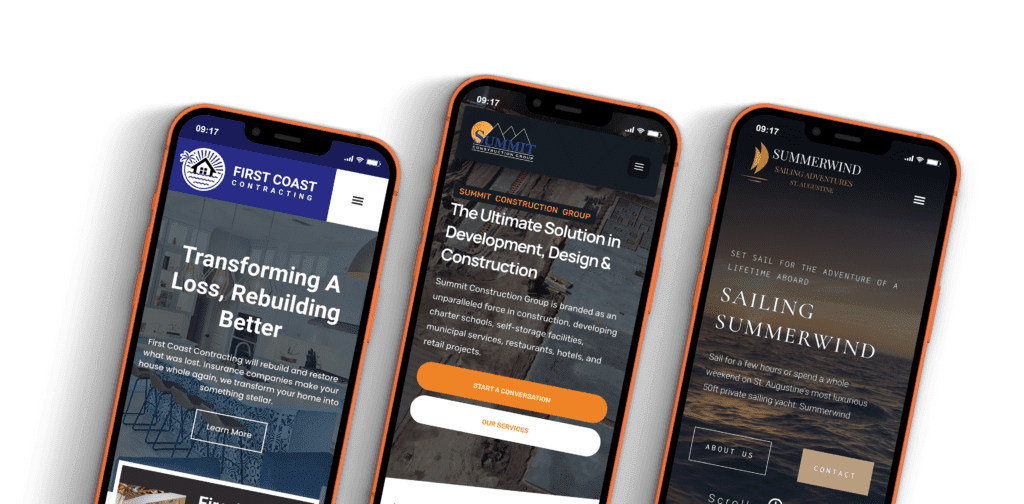
Creating an industry-leading website is about much more than “making it look pretty.” Before we start any website build, we always take a look at what your competitors are doing, establish your audience, and define your goals. This makes sure we deliver a site that not only speaks directly to your customer but makes you the obvious choice over the competition.
We’re on a mission to craft dynamic web solutions that blaze a clear trail, guiding your audience straight to your call to action. It’s all tailored just for you – captivating content, sleek design, and applications like custom databases or customer web portals. Throughout this dynamic journey, you’ll be at the forefront, ensuring we align with your business goals.
A great website is never finished, and we make sure we always build in a way that allows you to update your own content (with free training provided.) But you don’t have to do this alone! Our team of experts will help you get the most out of your online presence and make ourselves available to discuss further marketing efforts.
A polished video cannot fix an unclear offer. Businesses often consider filming when a service is hard to explain on a webpage, a product needs a closer demonstration, or customers repeatedly ask the same basic questions. In those situations, the first task is to identify the information a viewer needs and the next step the business wants them to take.
For a professional service, that might mean making a process easier to understand; for an ecommerce brand, it could mean showing product details that still images do not communicate well. These are examples, not claims about completed client projects. Video may support awareness or consideration, but views and clicks alone do not establish qualified leads or sales. Measurement should reflect the objective and available tracking, with limitations discussed before results are interpreted.
Production also asks something of the business. Someone must help confirm accurate messaging, coordinate participants or products, provide access to the agreed filming location, and review drafts within the agreed workflow. Missing approvals, unclear ownership of content, or changing the message late can affect scope and schedule. Raising these concerns early makes it easier to decide whether video is the right format and what preparation is realistic.
The work moves through agreed milestones rather than an assumed one-size-fits-all production schedule. First, the brief establishes the audience, message, intended use, and requested deliverables. Next, both sides confirm the scope, responsibilities, production needs, review arrangements, and factors that could affect timing. Dates should be discussed for the particular project; no standard turnaround is stated here.
Once planning is approved, the business helps coordinate the people, products, information, and access needed for filming. Production follows the agreed plan, and post-production prepares the specified files for review. Feedback and revisions should follow the terms set for the project, including who consolidates comments and how changes beyond the agreed scope are handled.
Before final delivery, confirm that the files and formats match the intended use and that any necessary approvals are complete. The business remains responsible for the accuracy of its claims, permissions for people or materials it supplies, and decisions about where to publish the content. A clear handoff also identifies what is and is not part of the engagement, so there is no assumption that ongoing hosting, campaign management, or future edits are automatically included.
Kris Chislett was founded in 2010, and the business describes its approach as collaborative: strong ideas develop through work with clients, not in isolation. For a video project, that means the client’s knowledge of its audience and offering informs the brief, while production decisions are tied to the agreed purpose. This is a working approach, not a promise of a particular business outcome.
The supplied credentials include Google Partner, Meta Business Partner, HubSpot Certified, and SEMrush Certified. These credentials relate to marketing platforms and tools; they should not be mistaken for a videography-specific license or a guarantee of video performance. Prospective clients can ask how the requested production will connect to their marketing plans and what evidence will be used to assess its contribution.
There are no supplied testimonials, ratings, named video projects, or verified performance results to cite here. Instead, evaluate fit through the proposed scope, communication, deliverable definitions, review terms, and the relevance of the plan to your audience. That gives you concrete points to compare before committing without relying on unsupported claims.
Compare the defined deliverables, planning and filming scope, revision terms, file formats, and exclusions. Ask whether location or travel requirements affect the estimate, and make sure each proposal supports the same business objective before weighing price.
The cost depends on the project scope and production requirements. Planning, filming needs, locations, editing complexity, revisions, and deliverable formats can all affect an estimate, so request a written, project-specific scope rather than relying on an assumed standard rate.
Revision terms and any warranty are not specified as standard offerings. Confirm the number or type of review rounds, how out-of-scope changes are handled, and what remedy applies to delivery issues in writing before work begins.
Share your intended audience, business goal, where the video will be used, preferred filming location, and any scheduling constraints. You can also mention participants, products, or existing materials that may be relevant; the initial discussion can clarify fit and the details needed for a scope.
Every business should have a strong online presence. If you don’t, you’re leaving money on the table and sabotaging your own success. That’s where we come in. Let us help. In the ever-changing digital landscape, our coordinated marketing solutions help businesses navigate through the chaos, position themselves for success, and emerge as industry leaders.