
A prospective customer lands on your site, cannot tell what you offer, and leaves before reaching out. For a Deltona, FL business, that can mean the website is creating friction instead of helping people make a confident decision. Web design in Deltona, FL is a fit for businesses ready to clarify their message, improve usability, or build a more useful route from first visit to inquiry or purchase.
Kris Chislett works with small and medium-sized businesses, professional services, ecommerce brands, and service-based companies. The right project might focus on a new site or on improving an existing one, depending on what is getting in the way. The goal is not decoration alone: visitors should be able to understand the offer, find relevant information, and take a sensible next step.
A useful first conversation is about your customers, not a list of visual trends. Consider what people need to know before they contact you, which pages matter most, and what the current site makes difficult. That context helps establish whether a redesign is appropriate and which improvements deserve priority. No particular platform, budget, or project schedule is assumed before those details are discussed. For businesses seeking web design in Deltona, FL, a clear, easy-to-navigate website can help visitors understand your services and take the next step. Make key information and contact options easy to find so prospective customers can reach out with confidence.
Can visitors quickly understand what you do, who you serve, and how to proceed? If those answers are buried, inconsistent, or unclear on a phone, a visual refresh by itself may not fix the underlying problem. Web Design should account for page structure, useful content, navigation, and conversion paths, whether the intended action is making an inquiry, booking, or completing an online purchase.
A project can also be a poor fit if the main need is ongoing marketing or a technical feature outside the agreed design scope. Early discussion should identify the pages, functionality, content, and integrations you need, along with what you can supply and what requires separate planning. Platform choice follows those requirements rather than a blanket preference. The right option depends on factors such as site complexity, ecommerce needs, editing preferences, and future maintenance.
What would make the work worthwhile for your business? Agree on practical measures before design begins, such as whether key information is easier to find, whether the inquiry path works as intended, or whether the site supports the agreed business objective. Analytics can help show visits and actions, but clicks or impressions alone do not prove revenue or lead quality. Measurement also depends on access to suitable tracking and the reliability of the data being collected.
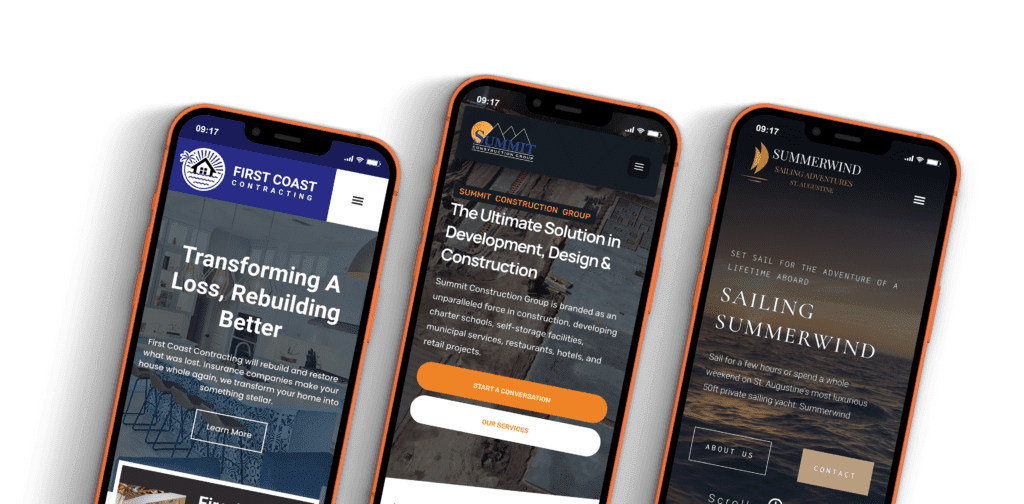
What should you expect once you decide to discuss a project? The work can be organized into clear steps, with scope and timing confirmed after the requirements are understood. No fixed turnaround is promised here; complexity, content readiness, platform needs, feedback, and any integrations can all affect the schedule.
1. **Clarify the brief.** Share your current site, business goals, audience, required pages, and any known pain points. Together, identify the project’s priorities and what is outside its scope. 2. **Plan structure and platform.** Agree on the page organization, content needs, key customer actions, and a platform suited to the requirements. The specific platform is selected through discussion rather than assumed in advance.
3. **Design and review.** Work through the agreed design and page content, then provide consolidated feedback so revisions can be handled against the approved scope. The number and nature of revisions should be clarified before work begins. 4. **Prepare for launch.** Review the agreed pages and functionality, confirm the information and access needed, and coordinate the launch plan. Any post-launch support should be discussed as part of the project rather than presumed to be unlimited.
Your part matters throughout: provide accurate business information, supply or approve content, arrange access to relevant accounts, and return feedback within the agreed review windows. These inputs help keep decisions moving, but they do not guarantee a particular launch date. For a project estimate, share the site’s current state and desired outcome so the scope can be assessed before cost and timing are discussed.
Would you rather make decisions with a collaborator than receive a design without context? Kris Chislett was founded in 2010, and the stated approach is to work with clients and colleagues to develop ideas through collaboration. That is relevant to web projects because the business owner understands the offer and customer concerns; the designer needs that input to shape useful pages and a coherent customer journey.
The supplied credentials are Google Partner, Meta Business Partner, HubSpot Certified, and SEMrush Certified. These credentials provide context about the business’s broader digital marketing background; they are not a guarantee of website performance, search placement, or commercial results. The design brief should still make clear who is responsible for content, platform access, third-party tools, testing, and any work beyond the agreed deliverables.
Project cost depends on the agreed scope, including page count, content needs, functionality, platform requirements, and integrations. No price or warranty terms are provided here, so ask for the proposed scope, fee, revision expectations, launch responsibilities, and any support terms in writing before approving work. Services are delivered digitally and do not require insurance involvement. Client and customer information is handled confidentially and used for the purpose of delivering agreed marketing services.
The schedule depends on the agreed scope and how quickly required content, access, and feedback are available. Page count, functionality, platform requirements, and integrations can also affect timing. Kris Chislett can discuss a project schedule after reviewing those details.
Yes, the service is delivered digitally and can be coordinated remotely. You can discuss goals, share materials, review designs, and plan launch steps online. No local office or in-person service is claimed.
Send your current website address, the main problem you want to solve, and any required pages or features. Platform preferences, content readiness, and desired launch support are also useful to mention. This gives Kris Chislett context to discuss fit, scope, cost factors, and timing.
Cost depends on the agreed deliverables, page count, content needs, functionality, platform requirements, and integrations. No fixed price is stated here. Ask for the proposed scope, fee, revision terms, and any post-launch support in writing before approving the project.
Every business should have a strong online presence. If you don’t, you’re leaving money on the table and sabotaging your own success. That’s where we come in. Let us help. In the ever-changing digital landscape, our coordinated marketing solutions help businesses navigate through the chaos, position themselves for success, and emerge as industry leaders.