
A prospective customer reaches your site, cannot tell what you offer, and leaves before contacting you. For businesses in Fort Lauderdale, that moment can expose a gap between the quality of your work and the experience your website provides. Kris Chislett offers Web Design for small and medium-sized businesses, professional services, ecommerce brands, and service-based companies that need a more useful, coherent online presence.
The goal is not simply a fresh visual style. A well-planned site should help visitors understand your services, find relevant information, and take a sensible next step. That may mean simplifying navigation, improving page structure, clarifying calls to action, or making product and service information easier to evaluate. The right priorities depend on what your customers need and what your current site is failing to do.
This service is delivered digitally, so working with Kris Chislett does not depend on having a local office visit. The focus is on collaboration: sharing your business goals, reviewing the current website or requirements, and agreeing on a practical direction before design work proceeds. Web design in Fort Lauderdale, FL should be considered a fit when you want thoughtful planning and a site shaped around real customer decisions, not a design exercise detached from how your business operates. A clear, well-organized website helps Fort Lauderdale businesses show visitors what they offer and make it easier to get in touch. Investing in web design in Fort Lauderdale, FL, can turn that first visit into a stronger opportunity to connect with prospective customers.
A redesign is not always the first or only answer. If visitors struggle to understand your offer, the priority may be clearer page content and navigation. If the site looks polished but inquiries are hard to initiate, the conversion path may need attention. Ecommerce businesses may need product information and shopping steps to feel straightforward, while professional and service-based firms may need a clearer explanation of expertise and contact options.
The project scope should be agreed around those needs. Depending on the brief, design work can address page layouts, visual direction, site structure, content placement, and calls to action. Platform selection should reflect your requirements, existing setup, and the people who will maintain the site. No platform or deliverable list is assumed before those details are discussed, and technical work outside the agreed scope should be identified rather than implied.
Before committing, consider what must change, what can remain, who will provide or approve content, and whether the current platform supports your plans. A redesign can improve usability and make the next step clearer, but it cannot by itself guarantee search rankings, sales, or lead volume. Those outcomes also depend on factors such as the offer, audience, content, implementation, and how performance is measured.
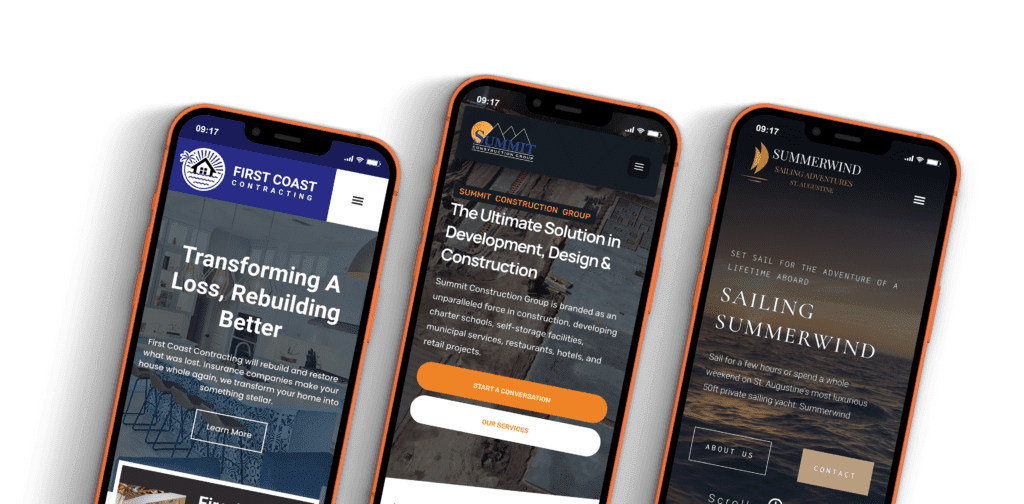
A clear sequence helps keep decisions manageable. The first conversation is for understanding your business, audience, current site, priorities, and constraints. You can bring a website address, examples of what feels confusing, and a short list of must-have functions. Kris Chislett can then clarify what appears to fit the brief and what information is still needed before defining the work.
After scope and responsibilities are agreed, the project moves through planning and design review. You will need to provide accurate business information, relevant content or product details, and timely feedback from the people responsible for approval. The number of review rounds, technical requirements, and content readiness can all affect the schedule, so a delivery date should be discussed only after the project is understood.
Before launch, confirm that approved content, contact routes, and agreed site functions are ready for review. Any launch support should be specified as part of the project rather than assumed to include ongoing maintenance or additional development. After launch, useful assessment looks beyond visits or clicks: consider whether visitors can complete key tasks and whether inquiries or purchases are relevant to your business. Analytics can inform that review, but it does not prove that design alone caused a business outcome.
Good design decisions come from understanding the business behind the brief. Kris Chislett was founded in 2010 and describes its approach as collaborative, bringing clients into the work rather than treating design as a one-way handoff. That matters when priorities, content, platform constraints, and approval needs must be balanced before a site can be shaped around its users.
For a practical signal of communication expectations, inquiries are typically answered within a few hours during business days. Availability is Monday to Friday, with flexible scheduling for ongoing clients. Those details describe response and scheduling expectations, not a guaranteed project start or completion date; timing depends on the agreed scope, content readiness, feedback, and technical requirements.
The supplied credentials include Google Partner, Meta Business Partner, HubSpot Certified, and SEMrush Certified. These credentials relate to digital marketing platforms and tools; they are not a web-design license or a promise of website performance. They can be relevant when a site needs to support a broader marketing plan, while the design brief should still be evaluated on its own deliverables and fit.
Timing depends on the agreed scope, content readiness, platform requirements, and how quickly reviews are completed. A schedule can be discussed after those details are understood; no fixed turnaround is supplied. Kris Chislett typically responds to inquiries within a few hours during business days.
The cost depends on the pages, functions, platform, content needs, and launch support required. Share your current site and priorities to discuss a scope before expecting an estimate; no fixed price is provided.
That depends on the current platform and the changes your site needs. Discuss your existing setup, required functions, and maintenance plans so the project can establish whether keeping the platform is practical.
Gather accurate business information, available content, required functions, and feedback from the people who approve the site. Unclear priorities, late content, or conflicting review notes can slow decisions, so identify the main customer actions the site should support before work begins.
Every business should have a strong online presence. If you don’t, you’re leaving money on the table and sabotaging your own success. That’s where we come in. Let us help. In the ever-changing digital landscape, our coordinated marketing solutions help businesses navigate through the chaos, position themselves for success, and emerge as industry leaders.