
Before investing in a website, check the essentials: Can customers understand what you offer? Can they find the right information on a phone? Is there a clear path to contact you, request a service, or buy? Web Development Lake City FL can address these practical needs through the planning and implementation of website functionality, structure, and user journeys.
Kris Chislett works with small and medium-sized businesses, professional services, ecommerce brands, and service-based companies. The right scope depends on what your current site can do, what it needs to do next, and which platform or integrations your business relies on. This is a digital service, so project discussions and delivery do not depend on an in-person Lake City office.
A useful first conversation is specific: share your current website, the problems you want fixed, and any platform or launch requirements you already know. That makes it easier to assess whether development work is the right fit or whether the need is primarily content, design, or another type of support. No particular result is guaranteed; the aim is to define a sound technical scope around your business goals. Effective web development lake city fl should make your services easy to understand, keep key information readable on mobile, and guide visitors toward contacting you or requesting a service. Before investing, check that your website does all three clearly.
Creating an industry-leading website is about much more than “making it look pretty.” Before we start any website build, we always take a look at what your competitors are doing, establish your audience, and define your goals. This makes sure we deliver a site that not only speaks directly to your customer but makes you the obvious choice over the competition.
We’re on a mission to craft dynamic web solutions that blaze a clear trail, guiding your audience straight to your call to action. It’s all tailored just for you – captivating content, sleek design, and applications like custom databases or customer web portals. Throughout this dynamic journey, you’ll be at the forefront, ensuring we align with your business goals.
A great website is never finished, and we make sure we always build in a way that allows you to update your own content (with free training provided.) But you don’t have to do this alone! Our team of experts will help you get the most out of your online presence and make ourselves available to discuss further marketing efforts.
A website can look presentable and still make routine tasks difficult. Customers may struggle to find service details, complete a form, browse products, or use key features on mobile. Behind the scenes, an outdated setup or disconnected tools can also make updates harder for the business. Development is worth considering when these issues stem from how the site is built or how its components work together.
Common triggers include adding ecommerce functionality, changing how inquiries are collected, connecting a business tool, or addressing a feature that no longer behaves as expected. These are examples of possible project needs, not claims about past client work. Before recommending a direction, clarify what is broken, what should change, and what must remain intact, including existing content, integrations, and customer data.
Scope mistakes often begin with a vague request such as “make the site better.” A more useful brief identifies the audience, the task they need to complete, and the specific obstacle in their way. It also distinguishes development from adjacent needs: a new visual identity, ongoing content production, hosting, and long-term maintenance may require separate decisions. Clear boundaries help prevent assumptions about deliverables, costs, and post-launch support.
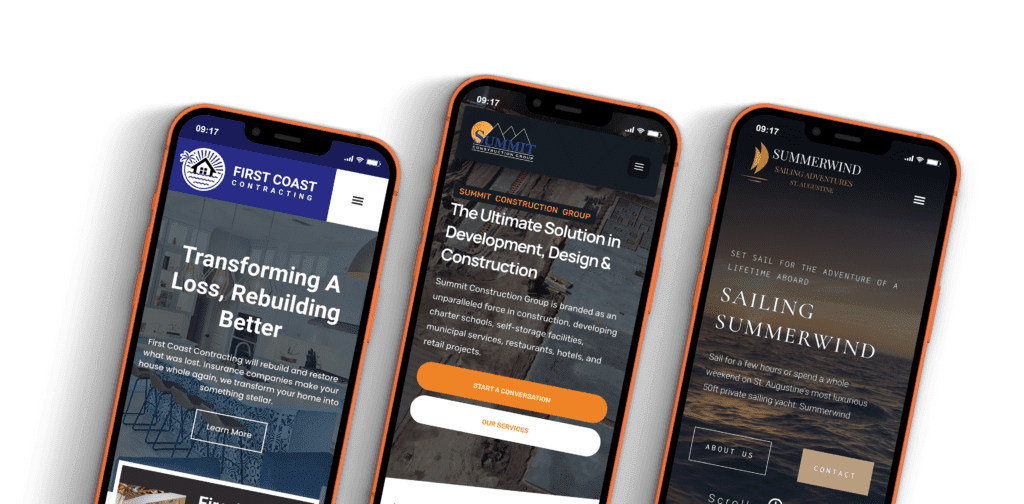
Unclear requirements can slow a project more than the coding itself. A practical sequence keeps decisions visible and gives both sides a shared reference point. The exact work and schedule depend on the site, requested functionality, platform, integrations, and how quickly required materials and approvals are available.
1. Define the need. Describe the customer problem, the desired action, and the features that matter. Share access or technical details only through an agreed, appropriate method. 2. Confirm scope. Review the existing setup and identify the development tasks, dependencies, exclusions, and decisions still needed. Platform choice should follow the project’s requirements rather than a default preference.
3. Build and review. Development proceeds against the agreed scope, with review points for checking functionality and providing feedback. The client supplies accurate content, access, and timely decisions where required. 4. Prepare the handoff. Confirm what has been completed, what remains outside the agreed work, and whether any follow-on support has been arranged. A specific launch date should be discussed only after the work and dependencies are understood.
Timing is not one-size-fits-all. A focused change and a more involved build have different requirements, and third-party tools or delayed approvals can affect delivery. Ask for a project-specific estimate after the scope is reviewed; no fixed turnaround is promised here. Success should be assessed against agreed functional requirements and user tasks, not just page views or clicks.
Choosing a developer means trusting someone with important parts of your online business. Kris Chislett was founded in 2010 and describes its approach as collaborative: good ideas develop through working with clients, not in a vacuum. That matters during web development because business owners know their customers and operations, while technical decisions need to be explained in terms the team can evaluate.
The supplied credentials are Google Partner, Meta Business Partner, HubSpot Certified, and SEMrush Certified. They provide relevant background across digital platforms and marketing tools, but they should not be mistaken for a guarantee of a particular development outcome. Ask how any proposed platform, tracking setup, or integration connects to your actual requirements before approving it.
Privacy and compliance deserve attention whenever a site handles customer information or marketing communications. The business lists GDPR, CCPA, and CAN-SPAM among its compliance standards and says client and customer information is handled confidentially for the agreed marketing purpose. Discuss what information the project will touch and what responsibilities belong to your business or third-party providers. Digital services do not require insurance involvement, and insurance coordination is not part of the offering.
Compare the clarity of each provider’s scope, technical reasoning, communication, and handoff plan. Ask what is included, what is excluded, how revisions are handled, and whether maintenance or launch support is separate. Credentials can inform your evaluation, but they do not guarantee a particular result.
Prepare your current website address, the problems you want addressed, required features, platform information, and any important dependencies. Identify who will provide content, approvals, and account access. A specific brief helps distinguish development needs from design, content, hosting, or ongoing maintenance.
Cost depends on the agreed functionality, existing website condition, platform, integrations, and project scope. No standard price is provided, so request an estimate based on your requirements and confirm exclusions, revisions, and post-launch support before approving work.
Availability is Monday to Friday, with flexible scheduling for ongoing clients. Responses typically arrive within a few hours during business days, though that does not establish a project start date or delivery timeline. Contact the business with your scope and scheduling needs to discuss fit.
Kris Chislett states that client and customer information is handled confidentially and used solely for delivering agreed marketing services. Discuss which data and account access the project requires, and use an agreed appropriate method to share sensitive details. Confirm specific privacy responsibilities before work begins.
Every business should have a strong online presence. If you don’t, you’re leaving money on the table and sabotaging your own success. That’s where we come in. Let us help. In the ever-changing digital landscape, our coordinated marketing solutions help businesses navigate through the chaos, position themselves for success, and emerge as industry leaders.