
Before investing in a new site or a rebuild, check three things: can visitors understand what you offer, can they take the next step easily, and can you update the site without unnecessary friction? If one answer is no, web development in St. Marys, GA may be worth discussing with Kris Chislett. The work is suited to small and medium-sized businesses, professional services, ecommerce brands, and service-based companies that need a website shaped around their goals, not a generic template.
A useful first conversation starts with the problem you want to solve. That might be an outdated site, a confusing service path, a store that needs clearer product and checkout flows, or a new business that needs a credible online foundation. We can discuss the intended audience, existing platform, content, and functionality before defining a project scope. You do not need every technical decision settled before reaching out.
This is a digital service delivered remotely, so the discussion can begin with your St. Marys business needs without assuming an office or local project history. The right scope depends on what the site must do, what can be retained, and what needs to change. A focused consultation can help establish whether development is the right next step or whether the current site needs a smaller, clearly defined adjustment. When evaluating web development in St. Marys, GA, make sure the finished site clearly explains your services, guides visitors toward the next step, and is easy for your team to update. These checks can help you choose a solution that serves both your customers and your day-to-day needs.
Are visitors reaching the information they need, or getting stuck before they contact you or complete a purchase? A site can look polished and still make key tasks difficult. Unclear navigation, outdated content, weak mobile usability, or a broken handoff between product pages and checkout can create friction. Development should address a defined business need, such as making service information easier to find, improving a conversion path, or supporting a more manageable content structure.
A rebuild is not automatically the best answer. If the platform still supports your goals, targeted development may be more practical than replacing everything. On the other hand, repeated workarounds, incompatible features, or a structure that no longer fits your offerings may point toward a larger project. We’ll discuss the tradeoffs, dependencies, and what is outside the agreed scope so you can weigh the investment before committing.
For ecommerce and service businesses alike, a website is only one part of the customer journey. The development plan should account for the content visitors need, the actions they should be able to take, and how the business will maintain the site after launch. Search visibility can be supported by sound site structure and accessible, organized content, but development alone cannot guarantee rankings, traffic, sales, or leads.
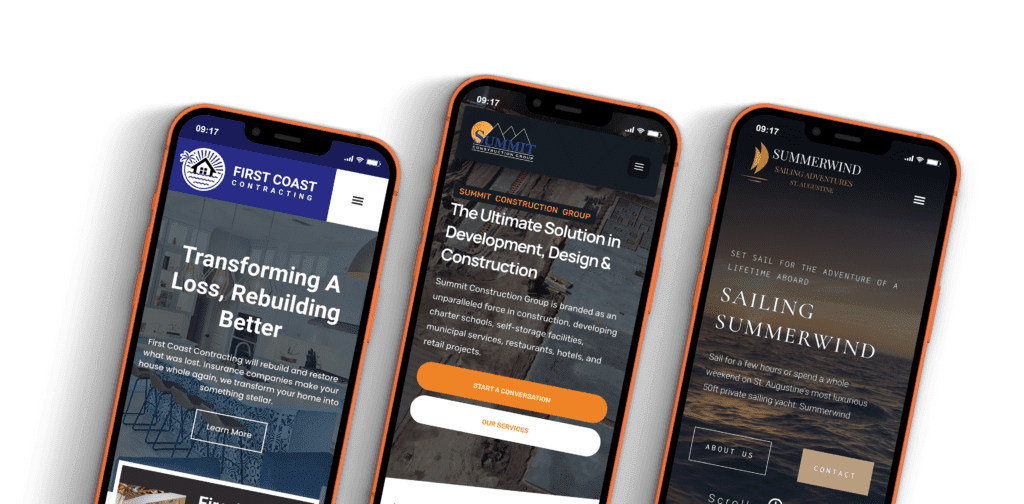
What happens first? We begin by clarifying the site’s purpose, audience, essential pages, required functions, and current platform. You’ll share relevant materials and access where needed, identify the people who will review work, and flag any business or technical constraints. From there, the scope can describe deliverables, responsibilities, review points, and open questions before development begins.
Next comes the build, with progress reviewed against the agreed requirements. The exact sequence depends on the project: a focused feature change differs from a new site or ecommerce implementation. Your feedback and timely delivery of content, credentials, and decisions affect the pace. We’ll identify dependencies rather than imply a fixed schedule before the work is understood; timing can vary with complexity, integrations, content readiness, and review cycles.
Before launch, the agreed work is checked against its intended use, and remaining issues or handoff needs are discussed. Launch preparation may involve confirming content, functionality, access, and who will handle updates afterward, according to the project scope. Ongoing support or maintenance should be discussed separately rather than assumed. The goal is a clear handoff, with expectations established before the site or changes go live.
How can you evaluate the person building your site? Look for a process that makes decisions visible: a defined scope, clear review points, and direct discussion of what the work does and does not cover. Kris Chislett was founded in 2010 and describes its approach as collaborative, bringing clients into the work so that goals and creative decisions are considered together rather than in a vacuum.
Kris Chislett holds Google Partner and Meta Business Partner status and is HubSpot Certified and SEMrush Certified. These are supplied business credentials, not a promise that any particular website will achieve a specific search position or commercial result. They can be relevant when a website project needs to connect thoughtfully with marketing goals, while the development scope itself should still be assessed on its deliverables, technical fit, and handoff.
A practical project also depends on your participation. You may need to provide accurate business information, approved copy and images, platform access, and consolidated feedback from decision-makers. Client data and communications are handled confidentially and used for the agreed marketing work. Any relevant privacy or email-marketing requirements should be considered in the project context; the precise technical and legal responsibilities need to be agreed rather than assumed.
Cost depends on the site’s current condition, required features, integrations, content readiness, and agreed support. Share your goals and platform details with Kris Chislett to discuss a scope suited to the work; no standard price is provided here.
Yes, the service is delivered digitally and can be discussed remotely with a business in St. Marys, GA. No local office, on-site team, or in-person coverage is stated, so mention any work that would require on-site coordination before defining scope.
Raise the change as soon as you identify it so its effect on deliverables, dependencies, and timing can be discussed. Any added or revised work should be agreed before it is treated as part of the project.
No warranty or post-launch support terms are specified in the supplied service information. Ask which corrections, maintenance, or support are included in your proposed scope before approving the work.
Every business should have a strong online presence. If you don’t, you’re leaving money on the table and sabotaging your own success. That’s where we come in. Let us help. In the ever-changing digital landscape, our coordinated marketing solutions help businesses navigate through the chaos, position themselves for success, and emerge as industry leaders.