
Before investing in a new site or a rebuild, check three things: can customers find the information they need, can they complete the action you want, and can your business maintain the site afterward? If one answer is no, Web Development in Valdosta, GA may be worth discussing. Kris Chislett works with small and medium-sized businesses, professional services, ecommerce brands, and service-based companies on website development shaped around their goals.
A useful website is more than a polished screen. It needs clear pages, sensible navigation, working forms or purchase paths, and a structure that supports the way your organization operates. The right scope depends on what is not working now, what must be added, and whether the existing platform can support the change. A conversation can clarify those choices before you commit to a build.
This service is delivered digitally, so Valdosta businesses can discuss requirements and coordinate work remotely. The focus is on understanding the job the website must do, then agreeing on a practical scope rather than adding features for their own sake. If your main need is advertising or search strategy rather than building or improving the site itself, that distinction is useful to establish early. When evaluating web development in Valdosta, GA, make sure the site helps customers find key information, complete important actions, and gives your team a manageable way to keep it up to date.
What is prompting the change: a site that is difficult to update, a confusing path to contact or purchase, or a new business requirement? Those problems call for different solutions. Some projects may focus on improving page structure and navigation; others may involve creating or revising functionality, forms, ecommerce paths, or integrations. The specific deliverables depend on the agreed project scope and the platform involved.
A rebuild is not automatically the best answer. If the current website can support the needed improvements, targeted development may avoid replacing work that still serves the business. A new build may make more sense when the platform or structure cannot reasonably support the requirements. The tradeoff is between preserving useful parts of the current site and investing in a more substantial change, with cost and timing shaped by complexity, content needs, integrations, and access to existing materials.
Development should also account for the people who will use and maintain the site. Clear content, understandable page paths, and a manageable editing setup can matter as much as the visual design. Before work begins, identify the pages and actions that matter most, the features that are essential, and any existing systems the site must connect with. That makes it easier to separate must-haves from optional enhancements.
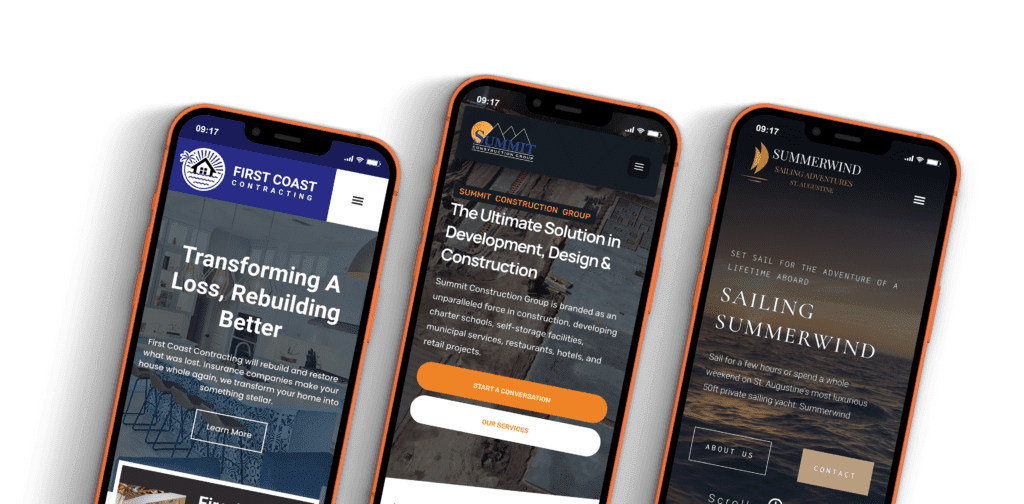
What should happen before anyone starts building? First, clarify the business goal, intended users, essential pages, platform constraints, and the action visitors should be able to take. Kris Chislett can then discuss the proposed scope, dependencies, and what information or access is needed from you. The project plan should make clear what is included and which requests would need a separate agreement.
At the planning milestone, confirm the site structure, content responsibilities, functionality, and any integrations. During development, progress can be reviewed against those agreed requirements, with questions and decisions handled collaboratively. Before launch, the site should be reviewed for the agreed functionality and content. The exact checks, revision arrangements, and launch responsibilities should be confirmed as part of the project scope rather than assumed.
How long will the work take? Timing depends on the size of the build, complexity of features, platform access, content readiness, and how quickly decisions and approvals are available. There is no responsible one-size-fits-all schedule without those details. Your role may include supplying copy, images, account access, product information, or feedback at agreed milestones; delays in those inputs can affect the schedule.
What evidence can help you assess the person behind the work? Kris Chislett was founded in 2010 and holds Google Partner, Meta Business Partner, HubSpot Certified, and SEMrush Certified credentials. These qualifications relate to digital platforms and marketing; they are not a promise of a particular website result or a substitute for agreeing on development requirements. For a prospective client, the practical next step is to discuss the platform, functionality, and experience relevant to the proposed project.
The stated approach is collaborative: ideas are developed with clients rather than in isolation. In practical terms, that means clarifying objectives, discussing options, and making project decisions together. A useful evaluation conversation should cover who supplies content, which features are in scope, how feedback is handled, what support is expected after launch, and how any third-party costs or tools are treated.
A website can support business goals, but development alone cannot guarantee rankings, sales, or a specific volume of leads. Analytics can show activity such as page visits or form events, but those measures do not by themselves prove business growth. Agree on useful indicators for the site’s purpose, such as whether key actions function correctly and whether visitors can reach the information or conversion path they need.
Check whether the provider’s experience and credentials fit the work your website needs. Kris Chislett lists Google Partner, Meta Business Partner, HubSpot Certified, and SEMrush Certified credentials, along with a founding year of 2010. These credentials do not guarantee a particular development outcome, so also discuss platform experience, deliverables, responsibilities, and how the work will be reviewed.
Start by describing the project and identifying which accounts or systems may be relevant. Before sharing credentials, agree on the access required, who will use it, and how sensitive information will be handled. The supplied privacy statement says business and customer information is handled confidentially for agreed services, but specific access and security arrangements should be discussed directly.
Unclear requirements can lead to mismatched expectations about features, content, revisions, responsibilities, and launch support. Before work begins, document the essential pages and functions, what is excluded, who provides materials, and how additional requests will be handled. This gives both sides a clearer basis for planning.
Kris Chislett typically responds within a few hours during business days. That is a response expectation, not a promise about project start or completion; those depend on scope, availability, and the information needed to plan the work.
Every business should have a strong online presence. If you don’t, you’re leaving money on the table and sabotaging your own success. That’s where we come in. Let us help. In the ever-changing digital landscape, our coordinated marketing solutions help businesses navigate through the chaos, position themselves for success, and emerge as industry leaders.